
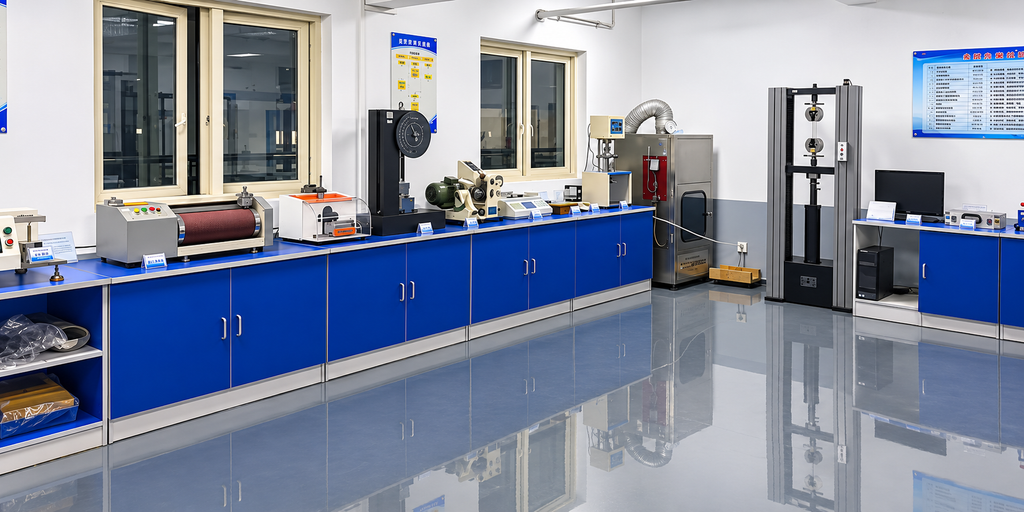
Professional Hydraulic Seal Selection and Engineering Support
Hydraulic sealing performance depends on more than selecting the correct seal size. Operating pressure, temperature, hydraulic fluid, surface finish, movement speed and installation conditions can all influence seal performance and service life.
JSPSEAL provides technical assistance for hydraulic seals and seal kits used in construction machinery, mining equipment, industrial hydraulic cylinders and other demanding applications. Our support covers product selection, sealing material evaluation, dimensional verification, installation recommendations and troubleshooting.
By understanding the operating conditions of each application, we help customers select suitable sealing components and reduce the risk of premature wear, leakage and unnecessary equipment downtime.
Our Hydraulic Seal Technical Services
Hydraulic Seal Selection
Choosing the correct sealing profile is essential for reliable hydraulic cylinder operation. We help customers evaluate rod seals, piston seals, wiper seals, buffer rings and guide rings based on equipment requirements, sealing functions and operating conditions.
Sealing Material Selection
Different materials provide different levels of resistance to pressure, temperature, friction and hydraulic fluids. Our technical team assists customers in comparing polyurethane (PU), PTFE, rubber, POM and nylon sealing components to identify suitable options for specific applications.
Seal Dimension and Groove Evaluation
Incorrect seal dimensions or groove configurations can result in leakage, excessive friction or installation difficulties. We provide technical assistance in reviewing seal dimensions, groove information, installation clearances and sealing profiles using customer-supplied drawings and specifications.
Hydraulic Seal Installation Guidance
Proper installation helps protect sealing lips and prevent damage during hydraulic cylinder assembly. We provide guidance on seal orientation, installation procedures, groove preparation, lubrication and the appropriate use of seal installation tools.
Hydraulic Seal Failure Analysis
Premature seal failure may be caused by excessive pressure, contamination, unsuitable materials, poor surface conditions or installation damage. Our technical team helps customers review reported sealing problems and identify possible causes based on operating information, product condition and application history.
Custom Hydraulic Sealing Solutions
Standard sealing components may not meet every application requirement. For special hydraulic equipment, we can review customer drawings, operating parameters and material requirements to evaluate potential custom seal solutions.
Hydraulic Seal Material Selection Guide
| Material | Typical Characteristics | Common Applications |
| PU / TPU | Wear resistance, elasticity | Rod seals, piston seals |
| PTFE | Low friction, chemical resistance | Piston seals, guide elements |
| NBR | Oil resistance, flexibility | O-rings, static and dynamic seals |
| FKM | Heat and chemical resistance | High-temperature sealing |
| POM | Rigidity, dimensional stability | Backup rings, guide components |
| Nylon | Mechanical strength, wear resistance | Guide rings, support components |
Material suitability depends on the specific compound, hydraulic fluid, temperature, pressure and operating conditions. This table is a general guide, not a universal compatibility guarantee.
Technical Support Process
Step 1 — Application Review
Share the hydraulic equipment type, operating conditions and sealing requirements.
Step 2 — Technical Evaluation
Our team reviews the available product specifications, material options and dimensional requirements.
Step 3 — Product Recommendation
We recommend suitable standard sealing products or discuss potential customized solutions.
Step 4 — Installation and Follow-Up
Receive relevant installation recommendations and technical assistance when required.
Frequently Asked Questions
How do I choose the correct hydraulic cylinder seal?
Seal selection depends on the sealing position, operating pressure, temperature, hydraulic fluid, cylinder dimensions and movement conditions. Providing this information helps identify suitable seal types and materials.
What is the difference between PU and PTFE hydraulic seals?
PU seals generally offer good elasticity and wear resistance, while PTFE seals are valued for low friction and chemical resistance. The correct choice depends on the application and specific material formulation.
Why do hydraulic seals fail prematurely?
Common causes include contamination, incorrect installation, excessive pressure, unsuitable sealing materials, damaged surfaces and improper groove dimensions.
Can you help with custom hydraulic seal dimensions?
Customers can submit technical drawings, dimensional requirements and operating information for evaluation of potential custom sealing solutions.